

There has been a tradition of growing one’s food in Britain dating back to Anglo-Saxon times.
The Edwardians introduced the requirement for local authorities to meet any demand for allotments. After the Great War there were a series of acts of parliament culminating in the Allotments Act of 1925 which prevented councils from selling off allotment land without ministerial approval.
In Embsay with Eastby the Parish Council provided and administered allotments on land leased from the Chatsworth Estate up until 2013. In that year the tenants of the two sites in the parish formed the Embsay with Eastby Allotment Association and began to manage the allotments themselves.
With the help of the National Allotment Society a constitution was drawn up with the aim of promoting good gardening practice including the recycling of waste along with the remit to encourage members of the local community to join the Association and to then provide them with help, advice and guidance.
The Association is run by a small committee of volunteers who are elected annually at the AGM, where the annual rents are also set. Each site has a representative on the committee who ensures that the Association’s standards are upheld and that members views are heard.
Initially there were eighteen plots ranging from fifty to over three hundred square metres. This has been increased to twenty-eight plots by dividing some of the larger allotments. Today all allotments are tenanted and there is a substantial waiting list.
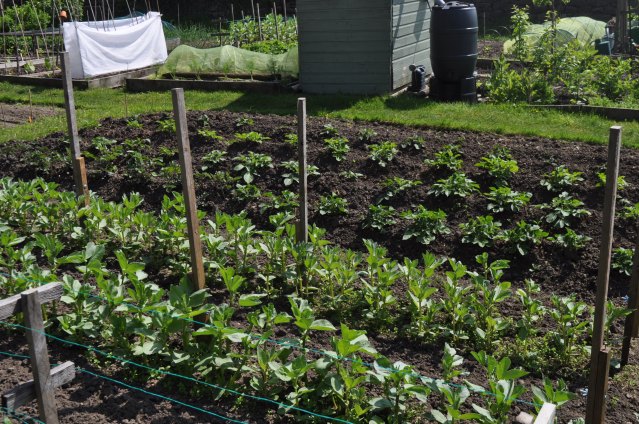
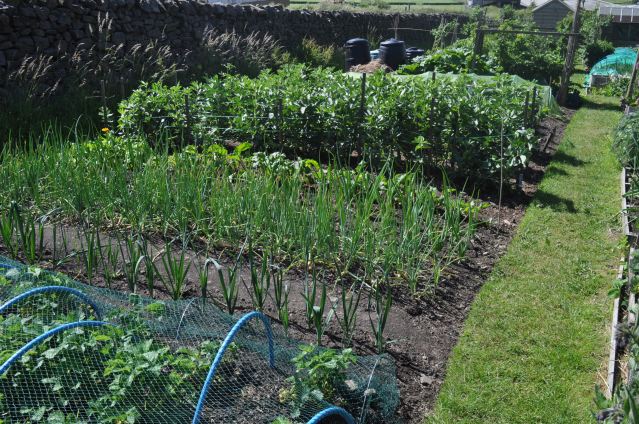
The allotments are allocated for the growing primarily of vegetables and fruit. Many tenants also grow flowers and, in summer, these nectar bars provide splashes of colour across both sites.
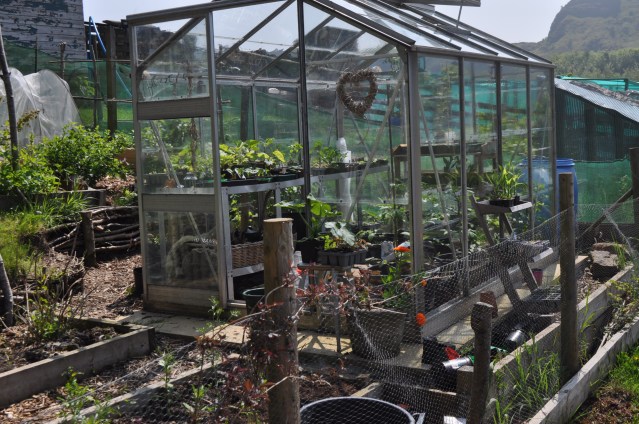
Whilst the Yorkshire climate and palate ensures that traditional vegetables such as potatoes, onions, leeks, carrots, beans and brassicas are widely cultivated some of the more adventurous tenants (and those with a greenhouse or polytunnel) grow more exotic plants such as sweetcorn, melons, chillies and grapes.
Gardening is good for you, both physically and mentally. Allotment gardening has the added benefit of being a social occupation. During the pandemic the allotments became safe places to enjoy the outdoors and chat to your neighbours whilst adhering to the rules on social distancing.
What makes a good allotmenteer? Most successful plotters at Embsay and Eastby are people who have outgrown their garden at home and want to upscale their fruit and vegetable growing. Many plotters are retired but there is also a growing number of families applying for a plot where they can teach their children about the joys and benefits of growing your own food. Most produce from the allotments is eaten within a few hours and a few hundred yards from the allotments. (You must live within the parish of Embsay with Eastby to qualify for one). However an unknown proportion of produce never leaves the site as it is consumed by the grower in situ. This especially applies when strawberries and other soft fruits are in season.
If you have any questions regarding the Association or allotments in general then you can find us in the directory section of this website.
Peter Creek
Categories: All, Village Life